The Role of Skill in Poker Tournaments
Skill undeniably plays a pivotal role in poker tournaments, especially at the highest levels where the competition is fierce and the stakes are monumental. Experienced players possess the ability to read their opponents’ behaviors, calculate the odds of various hands, and manage their chip stacks with precision. This strategic depth enables skilled players to maneuver through complex situations that arise during gameplay, much like those who prefer casino sites fast withdrawal options to maximize their winning potential. Over the course of a tournament, consistently applying these skills can lead to advantageous outcomes, as players exploit their opponents’ weaknesses and capitalize on errors made at the table.
Furthermore, adaptability is a hallmark of a proficient poker player. As players are eliminated and the dynamics of the tournament evolve, skilled players can adjust their strategies to suit the changing environment. For instance, if the competition becomes more aggressive as the tournament progresses, a skilled player might shift from a conservative approach to a more aggressive one to exploit the mistakes of their opponents. This adaptability is crucial in tournaments where the structure and stakes change as the game unfolds, requiring a keen understanding of game theory and the psychology of other players.
Additionally, emotional intelligence plays a significant role in a player’s success in poker tournaments. The ability to discern when to bluff or when to fold can significantly differentiate a skilled player from a novice. Managing one’s emotions and accurately reading the emotions of opponents can provide a strategic edge. The emotional aspect of poker not only affects decision-making but also showcases how skill can lead to success, even in scenarios where luck seems to play a significant role.
The Impact of Luck on Poker Outcomes
While skill is crucial, the element of luck plays an equally significant role in poker outcomes. The inherent randomness of card distribution means that even the most skilled players can find themselves at a disadvantage due to unfortunate circumstances. A player might hold a strong hand, only to see opponents draw cards that drastically improve their situations. This unpredictability is a fundamental characteristic of poker, contributing to the game’s excitement and drama.
Luck can manifest in various ways, such as the initial dealing of cards and the community cards that are revealed during play. Even seasoned players find themselves subject to the whims of chance, leading to unexpected outcomes that can appear beyond their control. However, in tournaments where players engage in a high volume of hands, the influence of luck can diminish over time, allowing skill to emerge as a more reliable determinant of success.
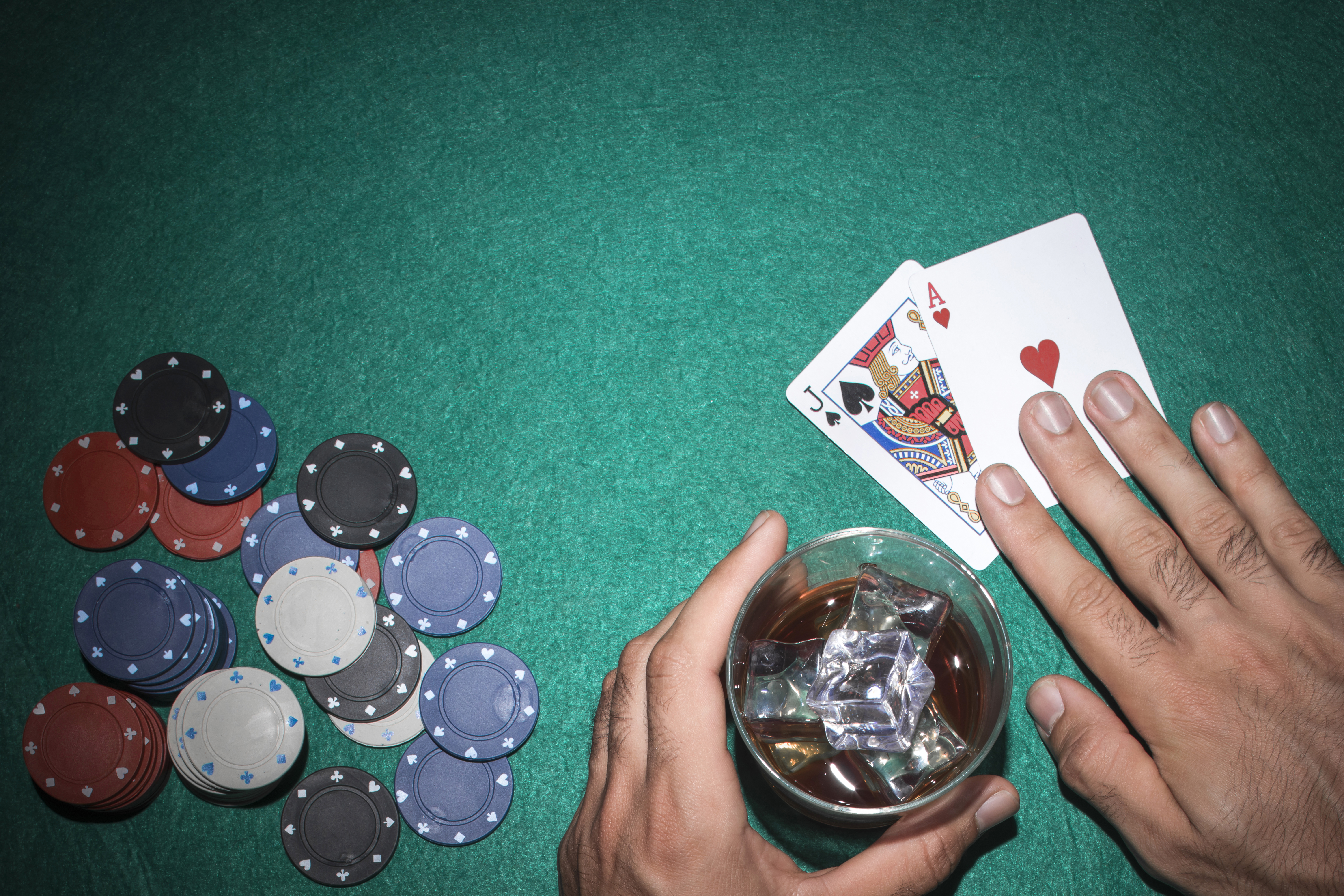
Even so, the impact of luck should not be underestimated. Some players may experience streaks of good fortune that propel them far into a tournament, sparking debates about the balance between skill and luck. These instances highlight the chaotic nature of poker, where luck, although fleeting, can overshadow skill and strategy at critical moments, reminding everyone of the unpredictable nature of the game.
The Dichotomy of Skill and Luck
The relationship between skill and luck in poker tournaments is intricate and multifaceted. It’s not merely a matter of one outweighing the other; instead, they exist in a delicate balance that players must navigate. Many enthusiasts debate the extent to which each factor contributes to success at the tables. Understanding this duality requires an appreciation of short-term variance caused by luck and the long-term advantages of skillful play. In the short run, an unlucky player may incur losses, while a skilled player may not immediately see the benefits of their expertise.
In the long run, however, skilled players often outshine their less experienced counterparts due to their ability to make informed strategic decisions based on probabilities and game dynamics. Successful players frequently adopt strategies like tight-aggressive play, where they selectively choose their moments to engage aggressively, maximizing their winnings from favorable situations. This tactical approach helps mitigate the effects of bad luck, reinforcing the idea that while luck may temporarily level the playing field, skill ultimately prevails in the broader context of the game.
Moreover, the unpredictable presence of luck can enhance the appeal of poker, making it more engaging and accessible to newcomers. Many novice players enjoy the thrill of unexpectedly winning hands against more skilled opponents due to favorable luck. This excitement can motivate them to learn and develop their skills, which can lead to greater success in future tournaments. Thus, the interplay between skill and luck not only defines the tournament experience but also shapes the overall poker community as players strive to improve and outsmart one another.
Strategies to Enhance Skill Over Luck
To increase their chances of success in poker tournaments, players must prioritize skill development. A solid foundation begins with grasping the mathematical principles underpinning the game, including concepts like pot odds, expected value, and implied odds. By calculating these elements, players can make informed decisions regarding whether to call, raise, or fold, thus providing a framework for navigating complex scenarios. Understanding these mathematical strategies can significantly help players mitigate the uncertainty introduced by luck.
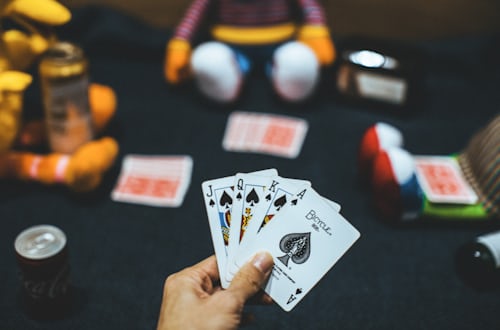
In addition, studying opponents is essential for honing one’s game. Recognizing betting patterns and identifying physical tells can yield valuable insights into an opponent’s hand strength and overall strategy. By leveraging these insights, skilled players can enhance their chances of winning, regardless of luck’s influence. Moreover, reviewing past hands post-game can help players identify mistakes and areas for improvement, enabling them to refine their strategies and adapt their gameplay accordingly.
Lastly, mental resilience is a critical component that cannot be overlooked. Developing a strong and focused mindset helps players stay composed, even in the face of adversity brought on by bad luck. The ability to detach emotionally from the game allows players to make rational decisions instead of impulsive ones driven by frustration. This mental control can profoundly influence a player’s long-term performance, emphasizing that while luck plays a role in individual hands, a player’s skill and mindset ultimately determine their overall success in tournaments.
Exploring the Community and Resources
The poker community is rich with resources aimed at helping players improve their skills and deepen their understanding of the game. Numerous forums, instructional books, and online courses are available to assist players in dissecting strategies and learning from experienced professionals. Engaging with these resources enables both newcomers and seasoned players to stay abreast of current trends and techniques that can enhance their gameplay.
Participating in discussions with fellow poker enthusiasts can also provide fresh insights into the intricate dynamics of tournaments. Sharing experiences, strategies, and tips fosters a sense of camaraderie and collective growth, which can significantly elevate a player’s game. Observing and learning from successful players can inspire others to incorporate advanced techniques into their own play, thereby enriching the overall skill level of the community.
Ultimately, as players immerse themselves in the world of poker, they will discover that the blend of skill and luck creates a unique experience that is both challenging and rewarding. By continuously seeking knowledge and honing their abilities, players can not only enhance their chances of success but also deeply appreciate the art of poker and the myriad stories that accompany it. As the poker community continues to evolve, the balance between skill and luck will remain a captivating subject for players and enthusiasts alike.